
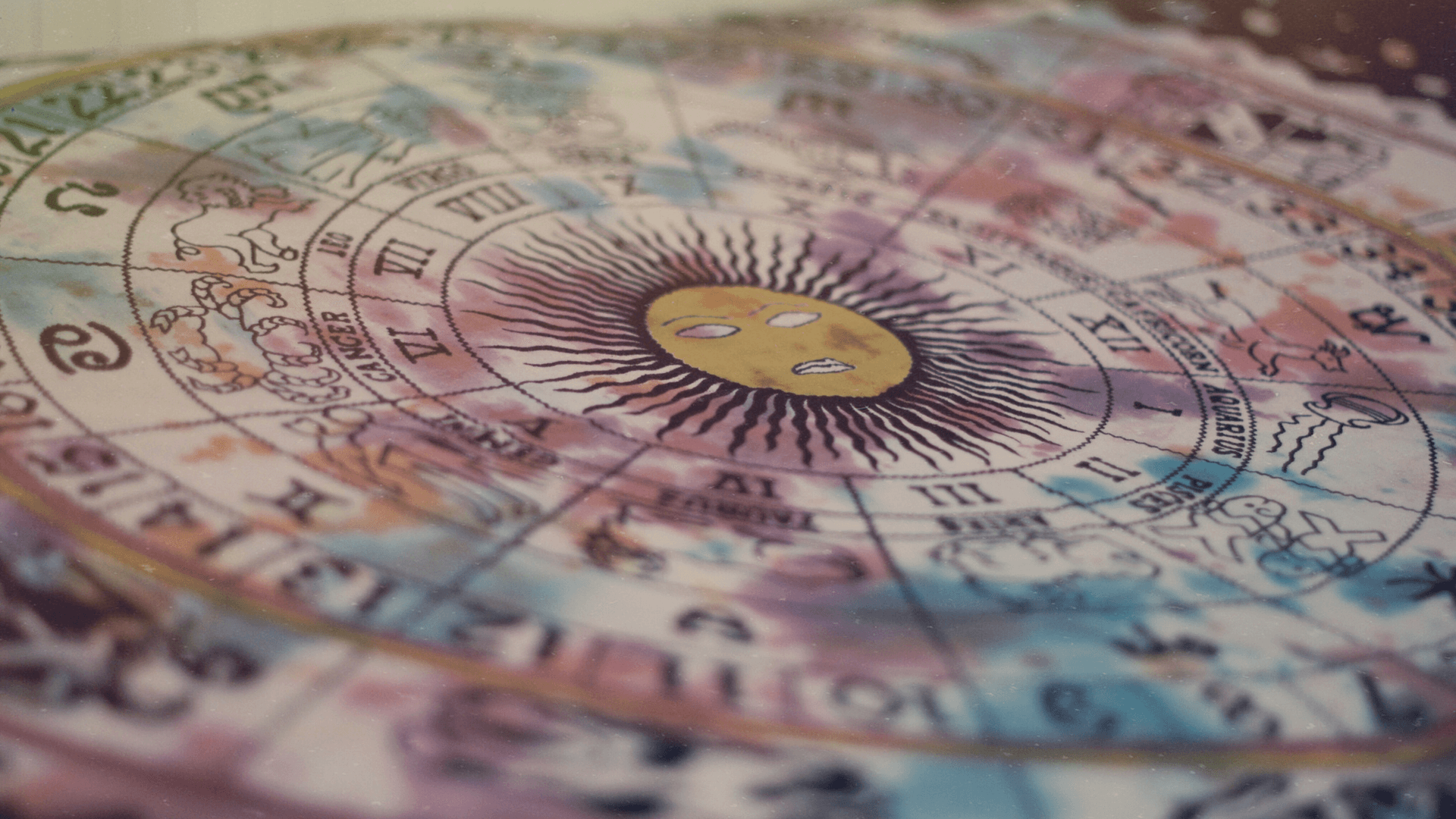
“Metal sign” usually refers to the Metal phase within Chinese calendrical astrology, not one of the twelve animal signs by itself. In traditional systems, a year can combine an animal branch with a yin or yang elemental stem, creating a repeating sixty-year sequence. Personality descriptions linked to Metal are cultural interpretations, not scientific measurements or fixed limits on character, health, compatibility, or luck.
Metal is a phase, while the zodiac animal is a branch
The familiar animals—Rat, Ox, Tiger, Rabbit, Dragon, Snake, Horse, Goat, Monkey, Rooster, Dog, and Pig—correspond to the twelve Earthly Branches. The ten Heavenly Stems are associated with yin and yang forms of Wood, Fire, Earth, Metal, and Water. A historical overview of the Heavenly Stems and Earthly Branches lists the ten stems and their connections with yin, yang, and the Five Phases.
Because ten stems combine with twelve branches in sequence, the full stem-branch cycle repeats every sixty years. “Metal Monkey” and “Metal Rooster” are examples, but Metal can pair with every animal as the cycles progress. The statement that Metal applies mostly to Monkey or Rooster confuses the element with separate traditional associations.
Check the New Year boundary before assigning a year sign
A January or early-February birthday may fall before the relevant traditional New Year. Simply using the final digit of a Gregorian birth year can produce an oversimplified or wrong result near the boundary. Calendrical schools may also differ in which boundary they use for specialized charts.
For a casual year-animal-and-element reading, verify the exact birth date against a reputable Chinese calendar. For a detailed system such as Four Pillars, a practitioner may also consider month, day, and hour; the year label alone is not the whole chart.
Traditional associations of the Metal phase
Wuxing is often translated as Five Elements, but “Five Phases” better conveys a system of processes and relationships. The British Library’s International Dunhuang Programme overview describes wood, metal, fire, earth, and water as dynamic states of change within a stems-and-branches calendrical system.
Traditional correspondences vary by source and use. Metal is commonly linked with autumn, the west, white, and the planet Venus. Museum objects show how these systems appeared in art and cosmology: the Metropolitan Museum of Art’s “Divinities of the Planets and Constellations” notes correspondences between five planets and Wood, Fire, Earth, Metal, and Water.
These associations document a historical worldview. They do not establish lucky colors or numbers, predict wealth, or determine which foods a person will enjoy. Traditional organ correspondences should not be used to diagnose or treat lung, intestinal, or other health conditions.
Common Metal personality themes
| Traditional theme | Constructive prompt | Potential imbalance to reflect on |
|---|---|---|
| Structure | Where would a clear standard help? | Am I applying a rule too rigidly? |
| Resolve | What goal deserves steady effort? | Am I persisting after the evidence changed? |
| Discernment | What should I keep, revise, or release? | Am I becoming overly critical? |
| Precision | Which detail needs careful attention? | Am I delaying action in pursuit of perfection? |
| Boundaries | What limit can I communicate clearly? | Am I confusing firmness with control? |
Astrology writers may describe Metal people as disciplined, ambitious, decisive, loyal, independent, stubborn, competitive, or emotionally reserved. Treat these as prompts, not verdicts. A person may recognize some, all, or none of them, and behavior changes with context and experience.
Avoid turning symbolism into a stereotype
Do not label a Metal person ruthless, unforgiving, argumentative, controlling, or destined to overpower someone else. Those descriptions can excuse harmful behavior or create conflict where none existed. Evaluate observable conduct: Does the person listen, keep agreements, respect consent, repair mistakes, and adapt when circumstances change?
The same rule applies to flattering claims. A Metal association does not guarantee leadership, confidence, financial success, resilience, or accuracy. If you use zodiac material for self-reflection, compare it with specific examples from your life and invite correction.
The generating and controlling cycles are symbolic relationships
Traditional Five-Phase systems include several cycles. In a generating sequence, Wood supports Fire, Fire supports Earth, Earth supports Metal, Metal supports Water, and Water supports Wood. Another sequence describes forms of regulation or control among the phases.
Translations such as “fire creates earth through volcanic ash” or “metal carries water in pipes” are modern explanatory images, not universal personality rules. The cycles do not prove that two people will be compatible or hostile.
Compatibility needs more than two element labels
Claims that Metal always works with Earth or Water and always clashes with Fire or Wood are too absolute. Even within astrology, detailed readings use more than a year element. Outside astrology, compatibility depends on communication, consent, values, reliability, conflict repair, health, finances, goals, and circumstances.
Use an element pairing to start a conversation: “How do we balance structure and flexibility?” Do not use it to pressure a relationship, reject someone automatically, or remain in an unsafe situation. For observable relationship criteria, see Finding the Relationship That You Want.
Yin Metal and Yang Metal as optional metaphors
Some interpreters distinguish Yang Metal through imagery such as ore, a tool, or a sword, and Yin Metal through imagery such as jewelry or fine metalwork. These metaphors may prompt different questions about directness, refinement, durability, or precision. They are not objective personality tests.
Ask what the metaphor helps you notice and where it fails. A useful reading leaves room for complexity rather than making every behavior fit the label.
Use the reading as a reflection exercise
- Confirm the calendar boundary and record the source you used.
- Choose one Metal theme that feels relevant.
- Write one real example that supports it and one that challenges it.
- Turn the theme into a behavior you can observe for a week.
- Review the result without claiming the element caused it.
For example, “Metal means discipline” can become, “I will keep one realistic appointment with myself on four days this week.” This creates a testable action without requiring fate or luck.
Keep astrology in proportion
Astrology can be used for culture, storytelling, ritual, or reflection. It should not replace medical, mental-health, financial, legal, or safety advice. Do not use a birth element to diagnose an organ problem, choose an investment, determine fertility, assess criminality, or justify controlling another person.
If you enjoy comparing personality systems, the guide Taking Care of Your Capricorn Self likewise treats zodiac themes as optional prompts and separates them from health or identity claims.
Frequently asked questions
Is Metal one of the twelve Chinese zodiac signs?
No. Metal is one of the Five Phases associated with the ten Heavenly Stems, while the twelve animals correspond to the Earthly Branches. A traditional year combines a stem and a branch.
Are people born in years ending in 0 or 1 always Metal?
That shortcut may match many Gregorian years, but it can fail around the traditional New Year boundary and does not replace an exact-date calendar check. Detailed systems also use more than the year.
Which personality traits are associated with Metal?
Common themes include structure, resolve, precision, discernment, and boundaries, with possible cautions about rigidity or criticism. These are cultural interpretations, not scientifically validated traits.
Are Metal and Fire signs incompatible?
No element pairing can determine whether a relationship will work. Traditional cycles may be used symbolically, but real compatibility depends on behavior, consent, communication, values, safety, and circumstances.