
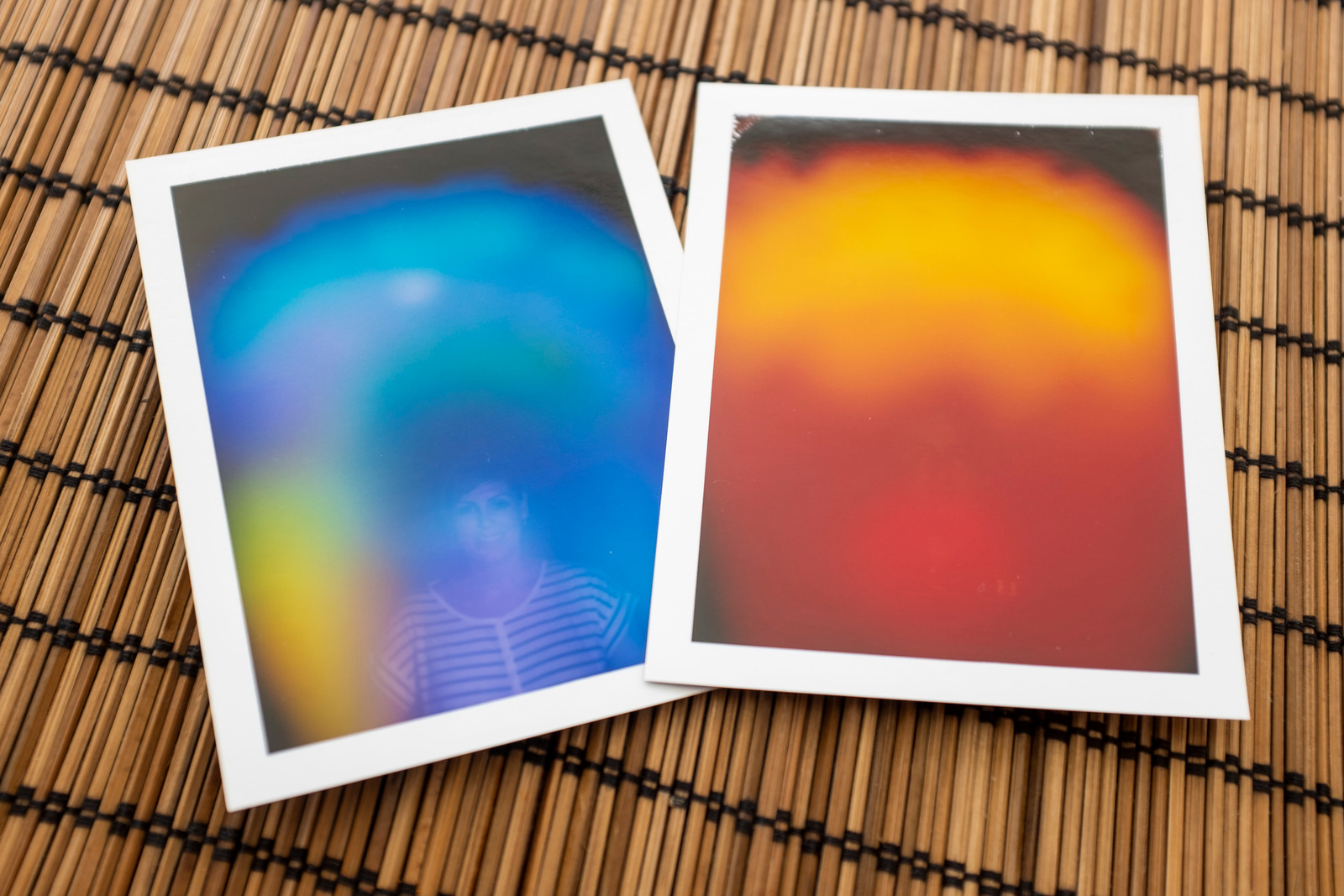
An aura is described in some spiritual and esoteric systems as a field, glow, or set of colors around a person. People may use aura language for meditation, art, or reflection. There is no established clinical test showing that a colored aura reveals health, personality, morality, finances, relationships, or the future.
If you try an aura-viewing exercise, treat what you see as a visual or imaginative experience—not a diagnosis or permission to make claims about another person.
Separate the experience from the interpretation
| Layer | Example | Safe wording |
|---|---|---|
| Observation | “I noticed a pale edge around my hand.” | Describe color, shape, lighting, and duration. |
| Interpretation | “I associate green with renewal.” | Name it as a personal or traditional association. |
| Claim | “Green proves healing.” | Do not present it as medical fact. |
| Action | “I will take a short restorative break.” | Choose a low-risk action under your control. |
A low-risk aura-viewing exercise
- Use comfortable, even room light and a plain neutral background.
- Rest your hand against the background without staring at a bright lamp.
- Look near, not directly at, the edge of one finger for ten to twenty seconds.
- Blink normally and notice any border, blur, color, or afterimage.
- Change the background or lighting and compare what changes.
- Stop after a few minutes and rest your eyes.
Do not look at the sun, lasers, intense LEDs, flames, or other unsafe light sources. Do not press or rub your eyes to produce colors.
Why edges and colors may appear
Vision adapts to brightness, contrast, color, eye movement, and where attention is directed. Peripheral vision can produce convincing motion and color effects. A peer-reviewed study of a peripheral flicker illusion found that particular color and peripheral-viewing conditions can create an illusory effect.
This does not determine the meaning of every experience. It shows why changing light, background, gaze, and distance is a useful control. If the “aura” changes when the visual setup changes, that is important information.
Aura photography records a process, not a medical field
Different businesses use different systems. Some add colors to an ordinary portrait using hand sensors and software. Kirlian photography uses high-voltage, high-frequency electrical conditions to create corona-discharge images around conductive objects.
A history-of-photography article on Kirlian photography describes it as recording corona discharge around a conductive object in an electric field. The resulting colors and patterns do not establish a person’s past, future, chakra condition, diagnosis, or spiritual rank.
Before paying, ask what equipment is used, what data are collected, how colors are assigned, whether the image is edited, what the total cost is, and how photos are stored or deleted.
Use aura colors as optional prompts
Color meanings vary by reader, culture, system, and context. You can use them as questions without turning them into facts:
- Red: What supports safety, rest, and practical stability?
- Orange: Where could I allow creativity or pleasure?
- Yellow: Which choice would support responsible agency?
- Green: What care or boundary is needed?
- Blue: What needs to be communicated clearly?
- Purple: Which belief or larger meaning am I exploring?
- Pink: How can warmth include self-respect?
- White or gold: What does clarity or value mean to me today?
No color proves that someone is healthy, jealous, awakened, wealthy, intuitive, a healer, good at multitasking, or connected to the universe. Dark colors are not moral contamination.
Auras do not reveal private information
You cannot know another person’s diagnosis, trauma, attraction, honesty, finances, consent, or intentions from a perceived color. Ask before offering an interpretation, and accept no.
Use language such as, “In one spiritual system, blue can symbolize communication; does that idea mean anything to you?” Do not say, “Your blue aura proves you are suppressing truth.”
Health symptoms need ordinary assessment
New flashes, spots, floaters, colored patches, shadows, blurred vision, or light sensitivity can have visual or neurological causes. The NHS guide to floaters and flashes advises urgent assessment for new or suddenly increasing symptoms, a dark curtain or shadow, blurred vision, eye pain, or symptoms after eye surgery or injury.
Seek emergency help for sudden loss of vision, severe eye pain, new weakness, confusion, fainting, seizure, or a sudden severe headache. Do not interpret these as an aura awakening or energy blockage.
Cleansing can be a ritual, not a treatment
A shower, bath, change of clothes, room tidying, prayer, visualization, or time outdoors may mark a transition. These actions do not remove literal negative energy or cure illness. Consider allergies, falls, burns, pets, children, medications, disability, and skin conditions before using salts, oils, smoke, heat, or movement.
A Guide to What the Chakras Really Are explains why symbolic chakra systems should not be treated as clinical anatomy. 9 Common Traits for Highly Spiritual People offers an observation-context-meaning-action check for visual or intuitive experiences.
A seven-day perception log
- Record lighting, background, distance, time, and eye fatigue.
- Describe the visual effect before assigning a meaning.
- Change one condition and compare.
- Include sessions when nothing appears.
- Note headaches, flashes, floaters, or vision changes separately.
- Do not diagnose or read another person without consent.
- Review whether the practice supported reflection or increased fear.
Stop if the exercise causes pain, prolonged visual changes, distress, compulsive checking, or impaired functioning. Aura practice should not delay eye care, medical care, or mental-health support.
Frequently asked questions
Can everyone learn to see an aura?
People may notice edges, colors, afterimages, or imaginative impressions, but there is no reliable test proving these are a universal energy field. Experiences vary.
Do aura colors diagnose health or personality?
No. Color meanings are spiritual or personal interpretations, not validated medical or psychological assessments.
Does aura photography capture spiritual energy?
Commercial methods vary. Kirlian images record corona discharge under high-voltage conditions, while other systems may assign colors through sensors or software. Neither establishes a diagnosis or future event.
When should visual colors or flashes be medically checked?
Seek prompt advice for new or increasing flashes or floaters, a dark curtain or shadow, blurred vision, eye pain, or symptoms after injury or surgery. Sudden vision loss is an emergency.