
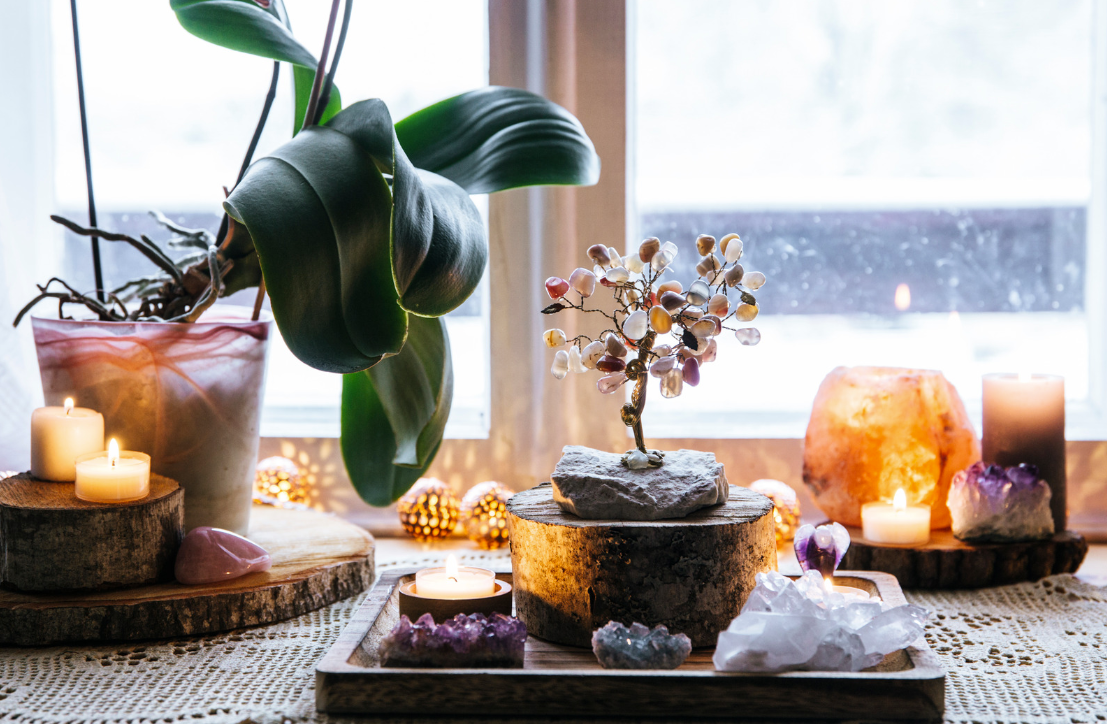
A home’s “energy” can be a useful shorthand for how the space feels: calm or chaotic, welcoming or tense, easy or difficult to use. Spiritual rituals may add personal meaning, but crystals, colors, and smoke do not objectively heal a home or remove an invisible force.
Begin with what you can observe—air, light, noise, temperature, moisture, clutter, cleanliness, safety, privacy, and household relationships. Small changes in those areas often do more than buying new décor.
A room-by-room energy check
| What you notice | Possible practical factor | First action |
|---|---|---|
| The room feels heavy or stale | Poor ventilation, odors, heat, humidity, or clutter | Remove the source and ventilate when outdoor conditions allow |
| You avoid a room | Noise, harsh light, conflict memories, access barriers, or repair needs | Name the specific obstacle and change one thing |
| Sleep feels unsettled | Light, noise, temperature, schedule, stress, or bedding | Adjust the environment and track sleep for a week |
| The bathroom feels unpleasant | Visible soil, moisture, mold, leaks, or strong products | Clean, dry, repair leaks, and use products as labeled |
| The room feels unsafe | Blocked exits, loose cords, unstable furniture, poor locks, or harassment | Correct the hazard or seek appropriate help |
1. Start with air and moisture
Source control, ventilation, and filtration are practical indoor-air strategies. The U.S. Environmental Protection Agency explains that removing or reducing a pollution source is often the most effective step, with ventilation and filtration as supplements.
Use kitchen and bathroom exhaust where available, repair leaks, avoid smoking indoors, and follow local advice during wildfire smoke or poor outdoor-air events. Never mix cleaning chemicals. A pleasant scent does not prove that air is healthy.
2. Clean for function, not sterility
Focus on visible dirt, food-contact areas, high-touch surfaces, laundry, and moisture. The Centers for Disease Control and Prevention says cleaning with soap and water removes most germs in many situations; routine disinfection is generally most relevant when someone is sick or at higher risk.
Follow product labels, provide ventilation, and keep chemicals away from children and pets. Stronger smells and more products are not automatically safer.
3. Declutter without forcing disposal
Choose one small zone and sort items into keep here, move, donate or sell, recycle, discard, and decide later. Limit the session to fifteen minutes. Important papers, medication, mobility aids, sentimental belongings, and another person’s property need careful handling.
Do not throw away a household member’s belongings to “clear their energy.” Shared-space changes require consent. If clutter creates blocked exits, pests, fire risk, falls, or loss of essential rooms, seek practical help without shame.
4. Make storage support daily routines
Place frequently used items where they are visible and easy to reach. Group pantry foods by use, rotate older safe items forward, and discard food according to safety guidance—not because it has “negative energy.” Labels and a short shopping list can reduce waste and decision load.
5. Reset the bedroom for sleep
Clean bedding can feel comfortable, but white sheets do not create feng shui or guarantee better sleep. Adjust light, sound, temperature, mattress comfort, and access needs. Keep phones, candles, crystals, and cords where they cannot fall, overheat, or become a choking or trip hazard.
6. Move furniture safely
Sketch the layout first, measure doorways, preserve clear exits, and get help with heavy pieces. Keep walking paths wide enough for the people who use them. The U.S. Consumer Product Safety Commission recommends anchoring televisions and top-heavy furniture, especially where children may climb.
7. Add meaning without health claims
Plants, photographs, art, textiles, music, prayer, or a crystal may help a room feel personal. Choose them because they are meaningful and safe, not because they are proven to emit healing energy. Check plant and object safety for pets and children, and stay within a preset budget.
A smoke-free ritual can be simple: open curtains, play one song, tidy one surface, and state how you want the room to be used. For personal rather than room-level symbolism, see Clean Your Aura Today. For body-based present-moment exercises, use Grounding Techniques.
A 30-minute home reset
- Five minutes: check exits, alarms, cords, water, and urgent hazards.
- Five minutes: remove trash and dishes.
- Five minutes: clean one high-use surface.
- Five minutes: return ten items to useful locations.
- Five minutes: adjust light, sound, temperature, or ventilation.
- Five minutes: add one free or low-cost personal touch and stop.
When a home problem needs professional help
Contact appropriate professionals for suspected gas or carbon monoxide, electrical hazards, structural damage, major mold or water damage, pests, unsafe wiring, or security threats. Leave and use emergency services when there is immediate danger. Do not rely on cleansing rituals for a physical hazard.
If a space triggers trauma, severe anxiety, compulsive cleaning, or inability to use essential rooms, a qualified mental-health professional can help. Spiritual meaning and practical care can coexist.
Frequently asked questions
Can crystals improve my home’s energy?
They can add beauty or personal symbolism, but they have not been shown to emit healing energy or remove a harmful force. Use them safely and pair ritual with practical changes.
Do I need smoke or incense to cleanse a room?
No. Smoke adds indoor particles and may affect people with asthma, migraine, lung disease, or fragrance sensitivity. Cleaning, ventilation when appropriate, light, sound, and intention provide smoke-free options.
Will decluttering improve mental health?
A more usable space may reduce friction for some people, but decluttering is not a treatment or guarantee. Start small, respect ownership, and seek help when clutter creates hazards or severe distress.
What should I fix first in an uncomfortable home?
Start with immediate safety, air and moisture, necessary repairs, cleanliness, clear paths, and basic comfort. Decorative or spiritual changes come after those needs.