
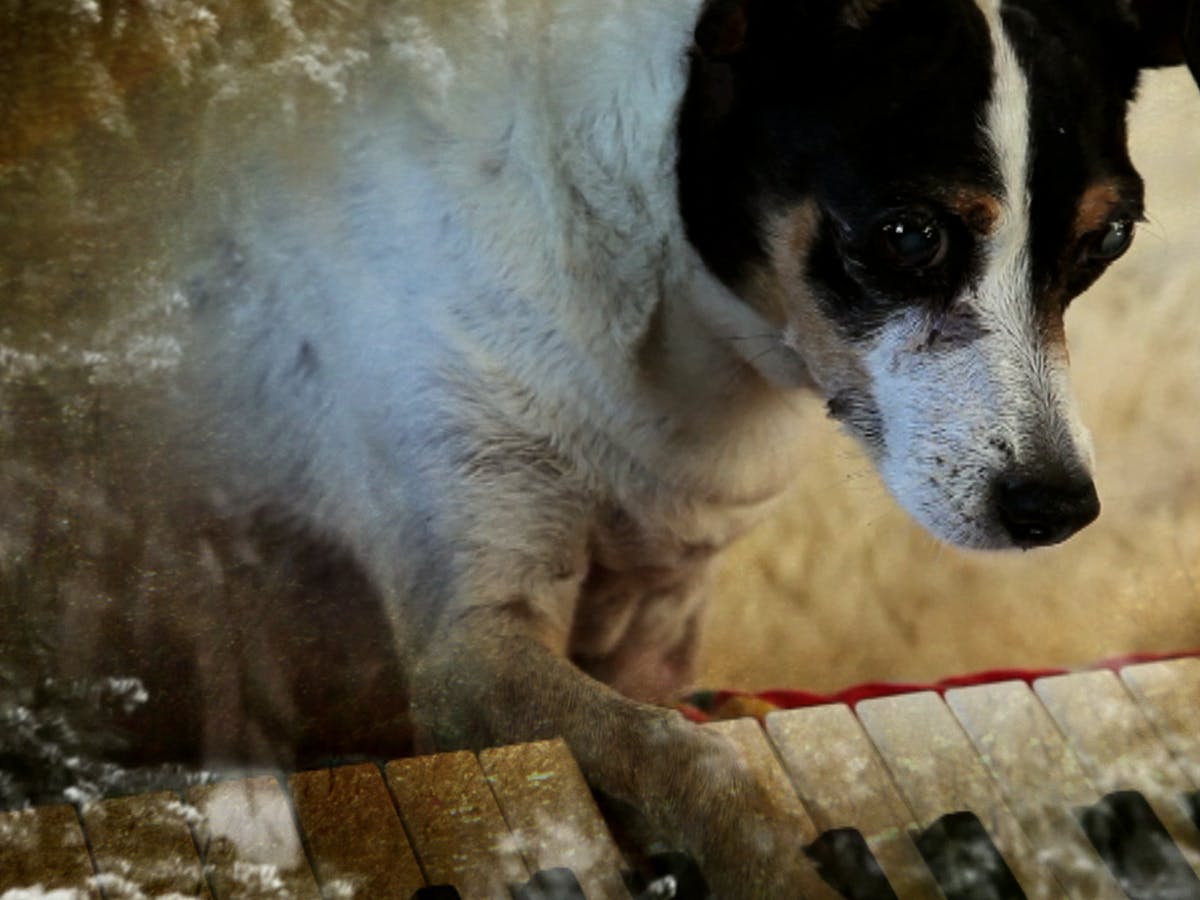
After a pet dies, familiar sounds, dreams, scents, coincidences, and moments of presence can feel deeply meaningful. Some people interpret them as signs of an afterlife; others understand them through memory, grief, attention, or ordinary events. No experience can objectively prove where a pet is after death, and you do not have to choose one explanation immediately.
The safest approach is gentle: honor what the moment means to you, keep uncertainty, check practical causes when needed, and make room for grief without turning every event into a message.
Pet grief is real grief
A companion animal can shape daily routines, identity, touch, exercise, sleep, family life, and a sense of home. Loss may bring sadness, guilt, anger, numbness, relief, poor concentration, appetite changes, sleep disruption, or physical tension.
Cornell University’s pet-loss resources explain that grief may begin before, during, or after a death and has no prescribed timeline. The page also lists memorial ideas and support options. You do not need to “move on” by a deadline or prove your bond through a sign.
Separate the experience from its meaning
| Experience | Possible ordinary context | Optional personal meaning |
|---|---|---|
| Hearing nails or a collar | House sounds, another animal, memory, expectation | “This reminded me of our routines.” |
| Feeling a pet on the bed | Sleep transition, mattress movement, body sensation | “I felt close to them for a moment.” |
| Dreaming of the pet | Memory and grief processing during sleep | “The dream felt like a visit.” |
| Seeing a rainbow, bird, or number | Common event made salient by loss | “I choose this as a memorial symbol.” |
Both columns can coexist. “I do not know what caused it, but it comforted me” is an honest response.
Sounds and scents can trigger memory
Daily cues may remain strongly associated with a pet: a floorboard, heat turning on, tags in a drawer, food, shampoo, litter, blankets, or another animal’s movement. Grief can make these cues especially noticeable.
Check safety before assigning meaning. Investigate unexplained gas, smoke, electrical, mold, or chemical odors. Check repeated scratching, alarms, falling objects, or sounds that could indicate a home, pest, appliance, or surviving-animal problem.
Dreams can be comforting or upsetting
A dream may show a pet healthy, ill, young, lost, returning, or simply present. It does not predict another death, prove guilt, or require an action. You can write down the dream, draw it, tell someone, or let it pass.
If dreams repeatedly disrupt sleep or replay a traumatic death, reduce sign-seeking before bed and consider grief-informed support. A brief routine—ordinary light, a calming activity, and a written reminder that the pet is no longer suffering—may help you reorient after waking.
Sensed presence is reported in bereavement
An interdisciplinary review of sensory and quasi-sensory experiences of the deceased discusses seeing, hearing, feeling, dreaming of, or sensing the presence of someone who died. Much of the research concerns human bereavement, so it should not be treated as a precise estimate for pet loss. It does show that researchers approach these experiences with several terms and explanations, not one automatic diagnosis.
A brief, comforting experience during grief does not by itself establish illness or supernatural contact. Seek qualified help when experiences are frightening, commanding, rapidly worsening, persistent outside grief contexts, or disrupting sleep, safety, work, or shared reality.
Coincidences do not need a verdict
Cloud shapes, feathers, coins, flowers, repeating numbers, songs, license plates, phone calls, and animal encounters occur in ordinary life. After a loss, anything associated with the pet can stand out more strongly. That does not make your comfort false; it means the event alone cannot verify a message.
Use a balanced note with four lines: what happened, what you felt, possible explanations, and what meaning you choose. Avoid expanding a vague event into a prediction about health, money, danger, or another person.
Check surviving pets through a veterinarian
Another animal may search, vocalize, sleep differently, eat less, or react to changed household routines. Do not assume the surviving pet is playing with a spirit. Cornell notes that behavior may change after a companion animal dies but also advises veterinary assessment for persistent changes and particular attention to eating, drinking, urination, or defecation.
Keep routines as consistent as practical, offer appropriate comfort and enrichment, and contact a veterinarian about concerning symptoms. Do not introduce a new animal solely to stop grief without considering health, temperament, household readiness, and consent of the people involved.
Make a memorial that does not depend on signs
- Create a small album with factual captions and favorite stories.
- Keep a collar, tag, paw print, or toy in a chosen place.
- Write a letter about what you miss and what you are grateful for.
- Plant something suitable for your home, climate, and pets.
- Donate or volunteer within your means when you feel ready.
- Plan a yearly remembrance without requiring a coincidence.
If writing helps, How Journaling Can Be Effective offers purpose-based formats and privacy safeguards.
Work with guilt through facts and compassion
People may replay medical decisions, missed symptoms, accidents, finances, euthanasia, or moments of impatience. Grief can make uncertainty feel like proof of failure. Review the information available at the time, the veterinarian’s advice, the pet’s quality of life, and what you actually controlled.
A sign cannot settle every question, and its absence is not condemnation. If guilt remains intense, ask the veterinary team for a debrief or speak with a pet-loss counselor. Self-punishment does not demonstrate love.
Beware of paid certainty
Be cautious if a medium guarantees contact, reports that the pet is trapped or suffering, says a ritual is urgently required, or demands repeated payments to deliver more messages. Do not share account credentials, identifying answers used for security, or money beyond a preset limit.
A reading may be used as entertainment or reflection, but it cannot verify an afterlife, replace grief care, diagnose a surviving pet, or reverse a veterinary decision.
Know when to seek support
The NHS grief and bereavement guide describes varied grief responses and advises help when low mood, anxiety, or difficulty coping persists. Pet-loss hotlines, support groups, therapists, veterinarians, and trusted people can also provide support.
Seek urgent local help for suicidal intent, self-harm, inability to stay safe, severe confusion, or immediate danger. For a practical short-term recovery structure after a painful loss, When Love Breaks You includes routine anchors, support, and crisis thresholds that can be adapted beyond romantic grief.
Frequently asked questions
Can a dream prove my pet is in the afterlife?
No dream can objectively prove an afterlife. It may still feel comforting, meaningful, or spiritually important, and you can honor that meaning without claiming certainty.
Why do I hear or feel my pet after they died?
Familiar sounds, body sensations, memory, expectation, sleep transitions, and grief can all contribute. Brief experiences can occur in bereavement; seek help if they are frightening, commanding, worsening, or impairing.
Are repeating numbers, birds, or rainbows signs from my pet?
They are common events and cannot verify a message. You may choose them as personal memorial symbols if that comforts you and does not drive unsafe decisions or compulsive checking.
When should I get help for pet grief?
Seek support when grief, guilt, anxiety, sleep disruption, or low mood is hard to manage or interferes with daily life. Use urgent help for suicidal thoughts, self-harm, severe confusion, or immediate danger.