
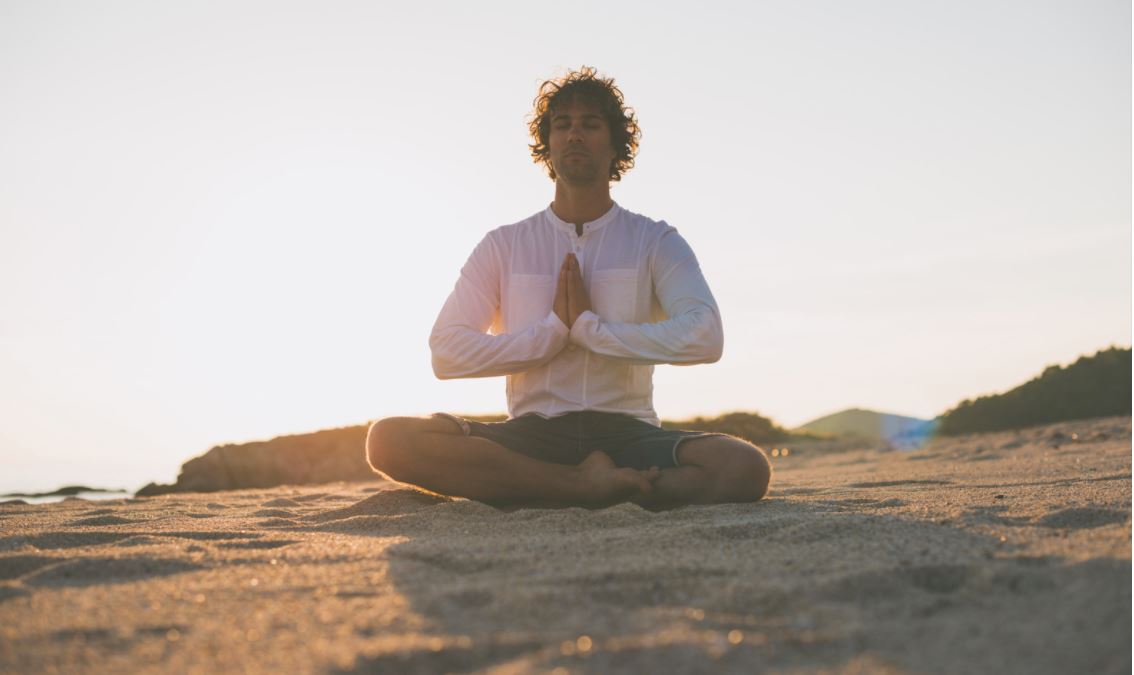
Inner peace is not a permanent state, a reward for spiritual advancement, or proof that intuition has replaced conscious thought. It can mean having enough steadiness to notice what is happening and choose a response, even while grief, anger, pain, uncertainty, or conflict remains.
Zen is also more than a synonym for calm décor. It refers to Buddhist traditions with histories, teachings, communities, and practices. You can use simple attention and routine exercises without claiming that they represent all of Zen.
Separate three different goals
| Goal | What it might look like | What it does not require |
|---|---|---|
| Regulation | Slowing down enough to act safely | Feeling pleasant or spiritually elevated |
| Reflection | Noticing thoughts, feelings, values, and choices | Believing every inner voice is intuition |
| Zen practice | Study and practice within a Buddhist context | Buying a particular aesthetic or removing all thought |
The Stanford Encyclopedia of Philosophy’s Japanese Zen entry describes Zen as a form of Buddhism concerned with realizing personhood, not merely a mood. Learn from qualified teachers and tradition-specific sources if you want to practice Zen rather than borrow the label.
A five-minute pause for a busy day
- Orient. Name the date, place, and three things you can see.
- Support. Notice where your body meets the chair, floor, or another stable surface.
- Breathe naturally. Do not force depth or hold your breath.
- Name. Use a simple phrase such as “worry is present” rather than “I must solve everything now.”
- Choose. Take one action that reduces harm or supports a value.
This is a pause, not a cure. If closing your eyes or focusing inward increases panic, dissociation, flashbacks, or unusual perceptions, keep your eyes open and use the sensory options in Grounding Techniques.
Make stillness optional
Stillness is inaccessible or uncomfortable for some people. Walking, wheeling, washing dishes, knitting, drawing, gardening, or listening to ordinary sounds can provide a focus. A person with trauma, pain, attention differences, caregiving duties, or a noisy home has not failed because sitting quietly is difficult.
The National Center for Complementary and Integrative Health describes meditation as a range of practices and notes that research quality and results vary. It also reports limited harm research and advises against using meditation to replace or postpone conventional care.
Create a usable peace corner
A separate meditation room, shrine, perfect feng shui layout, or expensive décor is unnecessary. Choose a chair, cushion, windowsill, yard spot, porch, or corner that is reasonably safe and available. Start with light, temperature, ventilation, noise, clear exits, and accessibility.
Add one meaningful object only if it helps: a photograph, text, plant, cloth, stone, or artwork. Check fire, pet, child, allergy, and trip hazards. A candle, incense, crystal, or color does not create peace through a proven energy property.
Use rituals as cues, not outcome machines
A ritual can mark the beginning or end of an activity. You might wash your hands, ring a soft bell, read a short passage, pray, make tea, or write an intention. The action does not call down rain, force tranquility, guarantee healing, or control another person.
Choose intentions under your control: “I will listen before answering” is workable. “Nothing will upset me” is not. End the ritual at a planned time so it does not expand into compulsive checking or repeated attempts to feel exactly right.
Replace relentless positivity with accurate language
Peace does not require denying injustice, illness, grief, danger, or anger. Try a three-part statement:
- Fact: “The appointment was cancelled.”
- Response: “I feel disappointed and tense.”
- Next step: “I will ask for the next available time.”
This keeps difficulty visible while reducing the pressure to make it spiritually meaningful. Calm is not always the correct immediate response; danger may require leaving, calling for help, or acting quickly.
Care for the body without making purity claims
Regular food, sleep, movement, medication, hygiene, rest, and health care can support functioning. They do not make someone morally or spiritually pure. Spa treatments, hot baths, retreats, supplements, and special diets are optional and may have costs or health risks.
The NHS stress guide describes how stress can affect thoughts, behavior, and the body and explains when to seek support. Do not assume persistent symptoms are resistance, low vibration, or failure to connect with a true self.
Community without a prescribed “tribe”
Some spiritual traditions emphasize community, but not every safe or supportive relationship shares one belief. Community may include family, friends, neighbors, a faith group, a support group, colleagues, or an online space with clear boundaries.
Healthy groups allow questions, privacy, outside relationships, and leaving. Be cautious when a leader claims exclusive truth, demands unpaid labor or escalating fees, controls dating or health decisions, discourages outside care, or says separation brings spiritual punishment.
A seven-day peace experiment
- Choose a five-minute practice and a consistent cue.
- Record distress before and after on a simple 0–10 scale.
- Write one observation without interpreting it.
- Take one values-based action.
- Include days when the practice did not help.
- Shorten or change it if distress increases.
- Review sleep, functioning, relationships, and care needs at the end.
For a specifically mystical development framework, Understanding Spiritual Growth discusses Bahá’u’lláh’s Seven Valleys with its own historical and belief context. This page retains the narrower role of secular, everyday peace routines.
When to seek more support
Seek qualified help when anxiety, low mood, trauma symptoms, unusual perceptions, substance use, sleep loss, pain, or inability to function persists or worsens. Use urgent or emergency support for immediate danger, suicidal intent, sudden confusion, severe symptoms, or commands to harm. Spiritual practice can accompany care; it should not delay it.
Frequently asked questions
Does inner peace mean I should never feel angry?
No. Anger can signal harm, injustice, frustration, or a boundary. The aim is to notice it and choose a proportionate response, not erase it.
Is Zen simply a state of calm awareness?
No. Zen names Buddhist traditions with histories, teachings, practices, and communities. Calm may occur during practice, but it is not a complete definition of Zen.
Do I need a shrine or meditation room?
No. A safe chair, corner, porch, yard spot, or brief walking practice can be enough. Meaningful objects are optional and do not have proven energy effects.
When can meditation make things worse?
Some people experience increased anxiety, depression, traumatic memories, dissociation, or unusual perceptions. Stop or adapt the practice and seek qualified support when distress persists or functioning is affected.